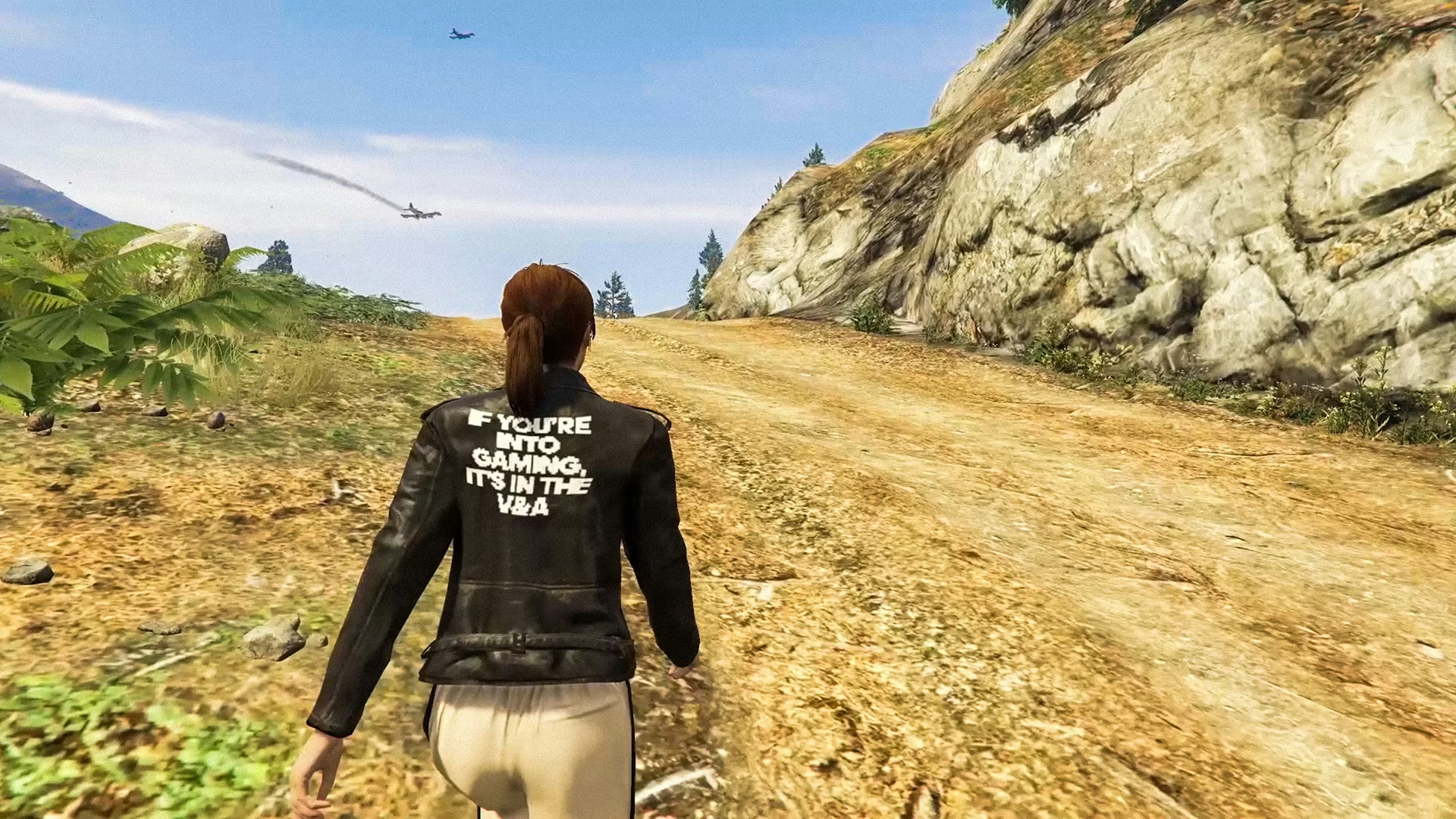
So your organization wants to do "something in gaming." Now what?
Typically, I get a phone call from a museum or a cultural organization that goes something like this: "We know that younger audiences are into gaming, and we want to have a voice there. Now what?"
It's a good sentiment, of course, and the right place for your attention. Organizations struggle with an ivory-tower issue when it comes to popular culture, torn between a mandate to expand their membership base and footprint and maintaining the values and vision that make them special.
But this tension elides a much more practical concern. What do you mean by "do something in gaming"?
On its face, what it typically means is "make games." On the one hand, this seems like a rational approach because why not be at the center of your audience's interests? But poke just a little deeper, and the rationale falls apart. If you wanted to reach cinephiles, would you make movies? You might host screenings or bring in film creators to engage with your work. But you certainly wouldn't go through the arduous process of making a feature film, especially if you hadn't done so previously.
But you don't need to look any deeper than game players themselves. One of the biggest shifts over the last 15 years in games is the broadening of what it means to engage with the medium. When I was growing up, being a gamer meant, as the name implies, playing games. But now there are a myriad of ways to engage with the form: watching others play games, attending gaming events, consuming video essays, binging game-based shows like The Last of Us, streaming yourself playing games, and so on.
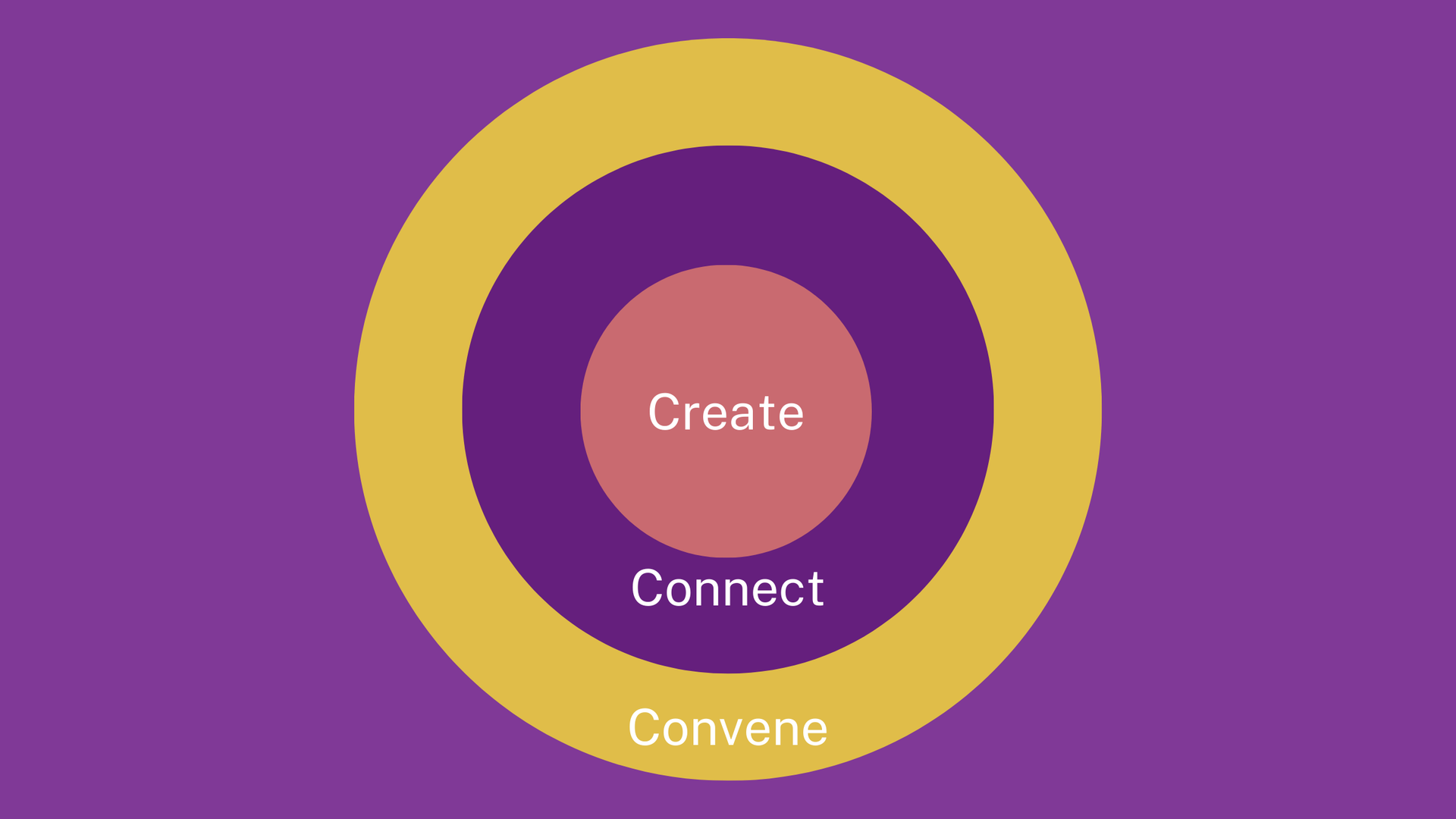
When I try to reduce the complexity of gaming activity, I find it helpful to think about how to do things in games across three interrelated levels.
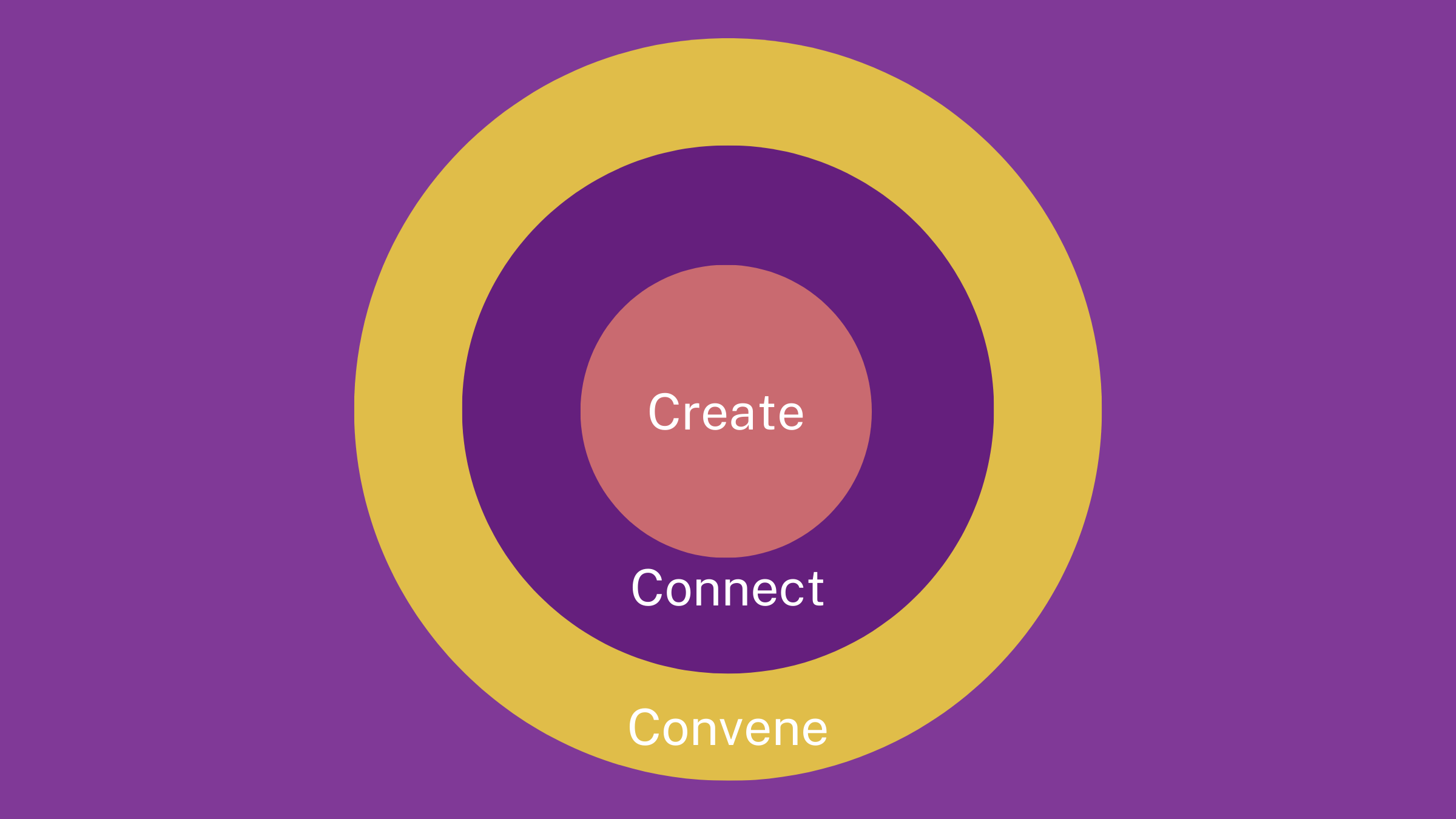
CREATE
This refers to any activity related to the creation or dissemination of games. The most familiar is interactive installations and digital exhibitions such as Serpentine's work with Gabriel Massan, but it could also mean collaborations through commissions with game-based practitioners, such as V&A's commissions for games like In the Pause between the Ringing, and taking games into your permanent collection.
But we can think more expansively here. Educational programs in game-based creative practice are a wonderful way to engage directly in game-making. As part of their zkm_gameplay. The next-level exhibition, the ZKM Center for Art and Media has included workshops for its community on making games, something the Museum of the Moving Image has pursued as well. One of the bolder expressions of Create is the construction of experimental technology infrastructure, such as the legendary Nintendo 3DS audioguide for the Louvre, that's now ending it's 13 year run.
And of course, there's the games themselves developed as part of an interpretaive content intitiative, but you'll notice that there's a much wider world of these activities involve actually making games.
CONNECT
This level is about digital presence, community engagement, and artist relationships. The big one, of course, is platform strategy for game communities. Everything from Twitch livestreams to Discord servers to hashtag challenges. Your social team will love you for engaging here.
But I see other ways to connect with the community. Documentation and archiving of interactive work is a great way to give back, either through collecting, like the Strong Museum of Play. Looking to build partnerships with game makers, big and small, and to host conferences such as the National Film and Sound Archive's International Video Game Preservation Survey, is also an excellent way to communicate your values to gaming audiences.
Finally, one arena that doesn't get nearly enough attention is accessibility & inclusive design. Games have grown tremendously in enabling people with diverse abilities to engage, and cultural organizations can be part of that process.
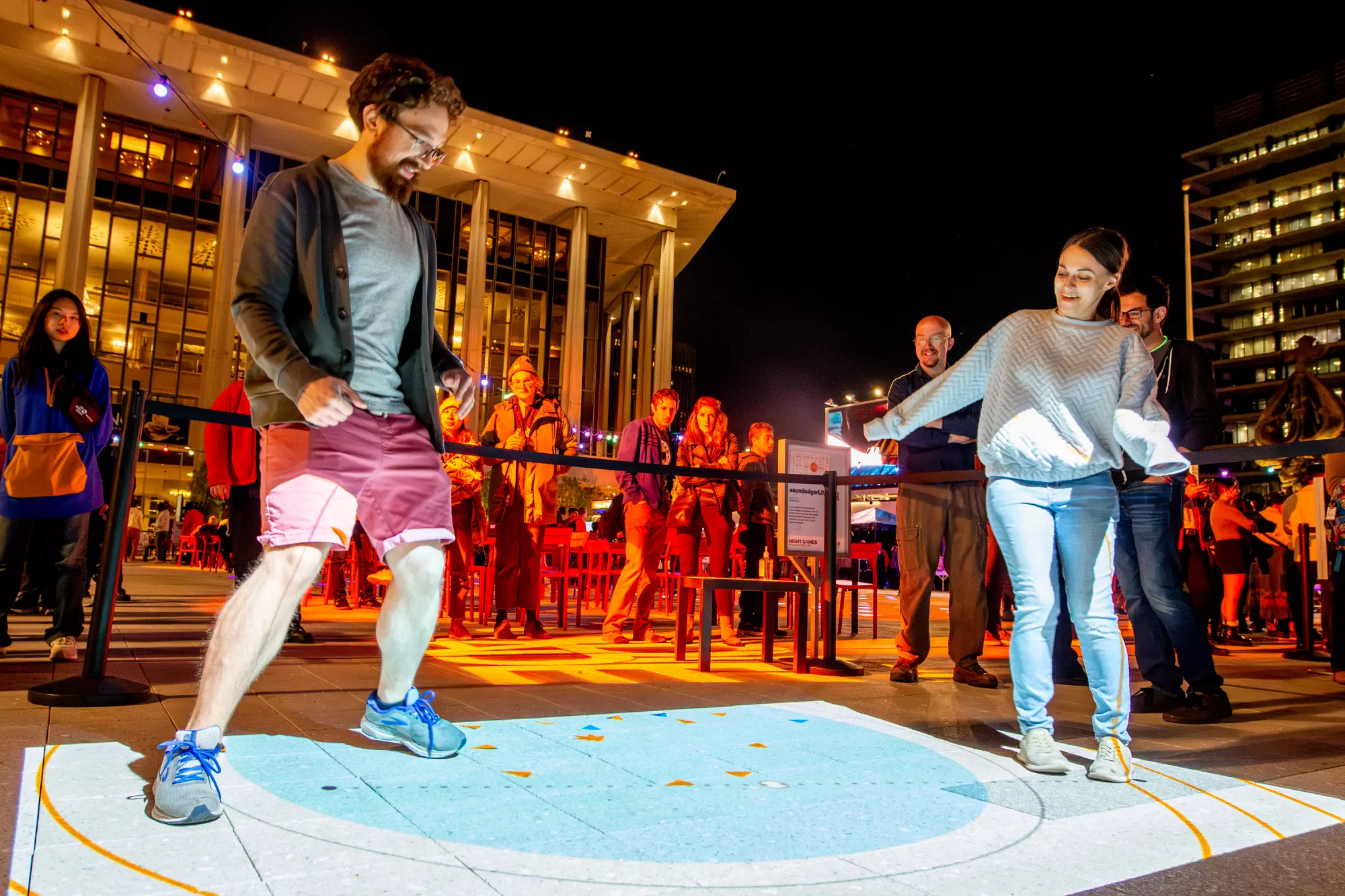
CONVENE
This refers to the broader life context surrounding games, including events, competitions, and game jams. The purpose is wed the activity of play to the personality of play. I find this is a muscle many organizations are comfortable flexing as they're already engaged in some public programming.
But there are many missed opportunities. I almost never see cultural organizations participate in game-based arts festivals from Berlin's A MAZE to San Francisco's Day of the Devs to Kyoto's BitSummit. The Music Center here in Los Angeles ran a very successful Night Games program for Indiecade, but this is a deeply underleveraged category.
Moreover, while museum and culture professionals often spend time at arts practitioner-focused events, gaming events like the Game Developers Conference can be an excellent way to explore new partnerships. Hearing directly from the games industry about their pain points can widen your organization's aperture and present new opportunities.
Finally, there's the game jam. I've attended many over the years, and these "hack-a-thon for games" work well either as internal team-building activities or local community engagements.
So, where do I start?
I often tell those I advise that no one does everything well. I've been keeping track of hundreds of discrete gaming activities from cultural organizations, but almost none show a consistent engagement with games. This isn't a critique, but it is permission for you to get started. Just remember that "doing something in games" is more than what happens on a screen and with a controller.
No spam, no sharing to third party. Only you and me.