Patrick Moran on Game On, Virtual Realms, and the Barbican's 25 Years of Game-Based Programming
In this episode, I speak with Patrick Moran, Head of Commercial Strategy & Partnerships at Barbican Immersive, about one of the longest-running and most influential examples of game-based programming in a cultural institution: Game On, which first opened at the Barbican in 2002 and has since traveled to dozens of venues and over four million visitors.
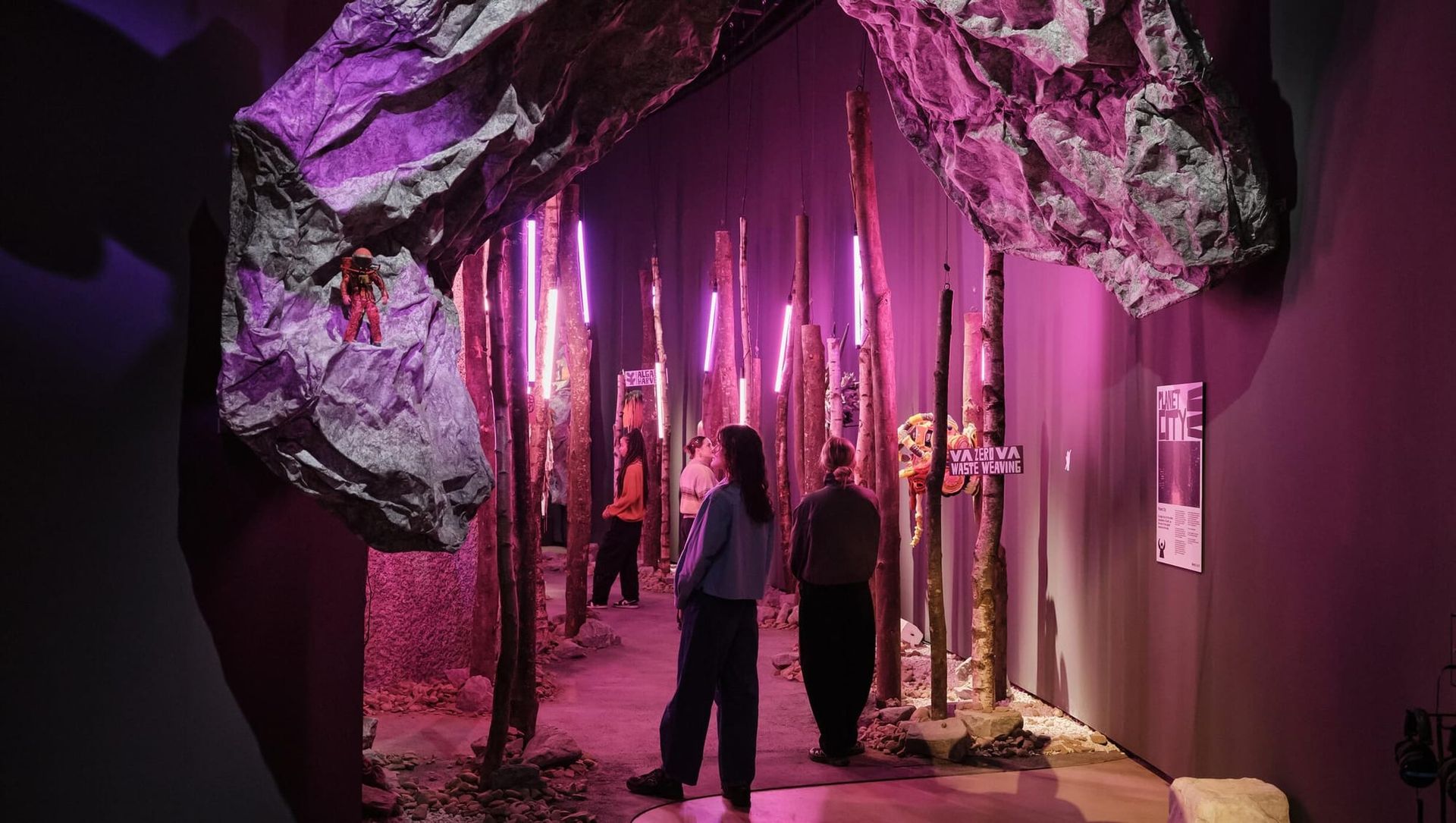
Patrick traces how a conversation between a Barbican curator and a Rockstar Games producer became the seed for an institutional commitment that predates MoMA's and the V&A's collecting of games by nearly a decade. We discuss why the argument for games in cultural institutions is largely won, but the harder problem now is sustained resource and organizational will, how Virtual Realms paired game designers (including Hideo Kojima) with media design studios to reimagine games as gallery experiences, and why events and touring exhibitions are often the lowest-risk way for institutions to test audience appetite before making permanent commitments.
The conversation also covers the recurring miscommunication between cultural institutions and game developers around IP, the role of invigilators and docents in making gaming exhibitions welcoming to multigenerational audiences, and what smaller organizations with limited budgets can realistically borrow from the Barbican's model.
Topics covered:
- The origin story of Game On and its 25-year run
- Why institutional games programs depend on sustained resource, not just buy-in
- Virtual Realms: pairing game designers with media studios for new commissions
- Events and touring shows as lower-risk ways to build internal momentum
- How institutions and game developers misunderstand each other around IP
- Designing for multigenerational, controller-anxious audiences
- What smaller institutions can adapt from the Barbican's model
No spam, no sharing to third party. Only you and me.